STORY
ABOUT THE Aloe vera
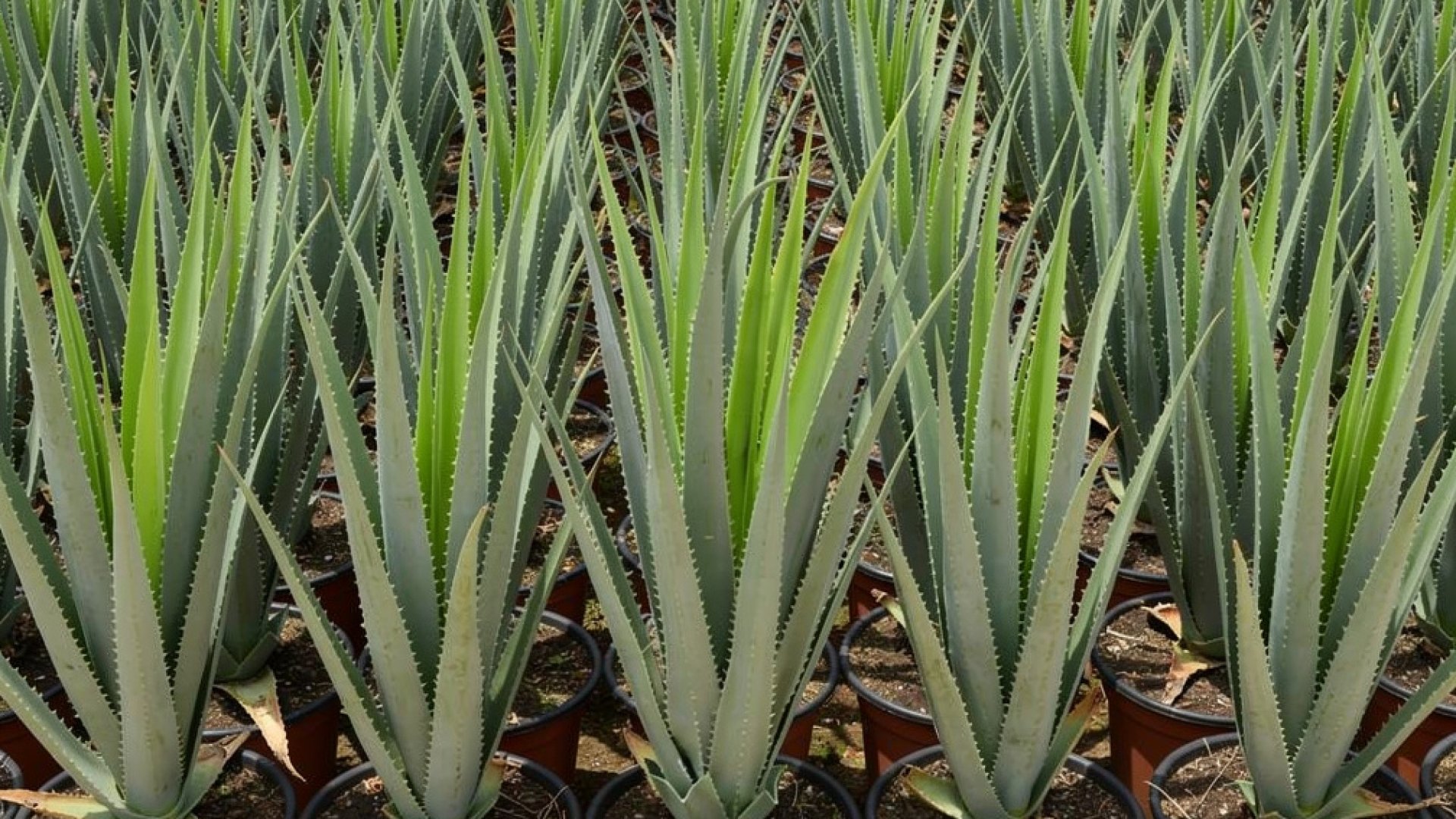
Aloe Vera is one of the most commercially versatile succulents available, recognized worldwide for both its landscaping appeal and its medicinal properties. Its rosette of thick, fleshy leaves thrives in Mediterranean sun and heat with very little supplemental watering. It moves consistently at wholesale level due to strong demand from garden centers, hotels, and private estate projects.
AVAILABLE DIMENSIONS
SELECT YOUR IDEAL SIZE
PLANT DETAILS
EVERYTHING YOU NEED TO KNOW
DETAILS
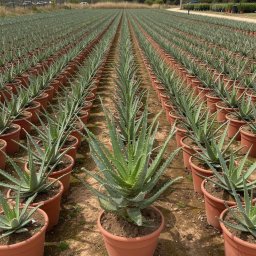
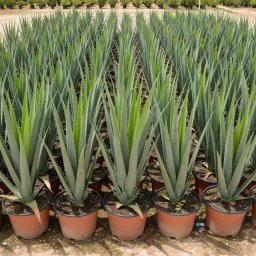
Aloe vera (Aloe barbadensis Miller) belongs to the family Asphodelaceae and forms a stemless or short-stemmed rosette of lance-shaped, succulent leaves. Leaves are grey-green, often with pale spotting on younger growth, featuring serrated margins with small white teeth. Mature plants reach 60 to 100 cm in height and spread up to 90 cm wide through basal offsets.
In summer, established plants produce tall erect racemes of tubular yellow flowers reaching 90 cm, attracting pollinators. The gel-filled leaf interior is the basis of its global commercial value. Its architectural form and silvery foliage make it a distinctive specimen plant widely sought through wholesale Aloe vera nursery supply channels.
In summer, established plants produce tall erect racemes of tubular yellow flowers reaching 90 cm, attracting pollinators. The gel-filled leaf interior is the basis of its global commercial value. Its architectural form and silvery foliage make it a distinctive specimen plant widely sought through wholesale Aloe vera nursery supply channels.
GROWING
Aloe vera thrives in free-draining, sandy or loamy soils with a pH range of 7.0 to 8.5. It requires full sun exposure for at least six hours daily and performs best in warm, dry conditions. Overwatering is the primary cultivation risk; established plants require watering only every two to three weeks in summer and far less in winter.
Growth rate is moderate, with offsets forming reliably each season. Plants are suited to container and open ground production. Our wholesale Aloe vera Spain stock is grown under optimised Mediterranean greenhouse and open-field conditions, ensuring robust, commercially ready specimens.
Growth rate is moderate, with offsets forming reliably each season. Plants are suited to container and open ground production. Our wholesale Aloe vera Spain stock is grown under optimised Mediterranean greenhouse and open-field conditions, ensuring robust, commercially ready specimens.
CLIMATE
Aloe vera is rated for USDA hardiness zones 9 to 11, tolerating light frost down to approximately minus 2 degrees Celsius for short periods. It excels in hot, arid, and semi-arid climates and is highly drought tolerant once established. Coastal conditions are well tolerated provided salinity levels are not extreme and drainage is adequate.
In marginal zones such as USDA zone 8b, plants can overwinter successfully with minimal protection in sheltered microclimates or against south-facing walls. Heat tolerance is excellent, making it ideal for Mediterranean, subtropical, and desert landscaping projects where reliable performance under stress is a priority.
In marginal zones such as USDA zone 8b, plants can overwinter successfully with minimal protection in sheltered microclimates or against south-facing walls. Heat tolerance is excellent, making it ideal for Mediterranean, subtropical, and desert landscaping projects where reliable performance under stress is a priority.
LANDSCAPING
Aloe vera is a versatile landscape plant suited to xeriscaping, Mediterranean gardens, sensory gardens, poolside planting, and large-scale hotel or resort projects. It combines well with Agave, Lavandula, Stipa, and Euphorbia species. Recommended spacing for mass planting is 60 to 90 cm apart. Its bold rosette form provides year-round structural interest as a focal or accent plant.
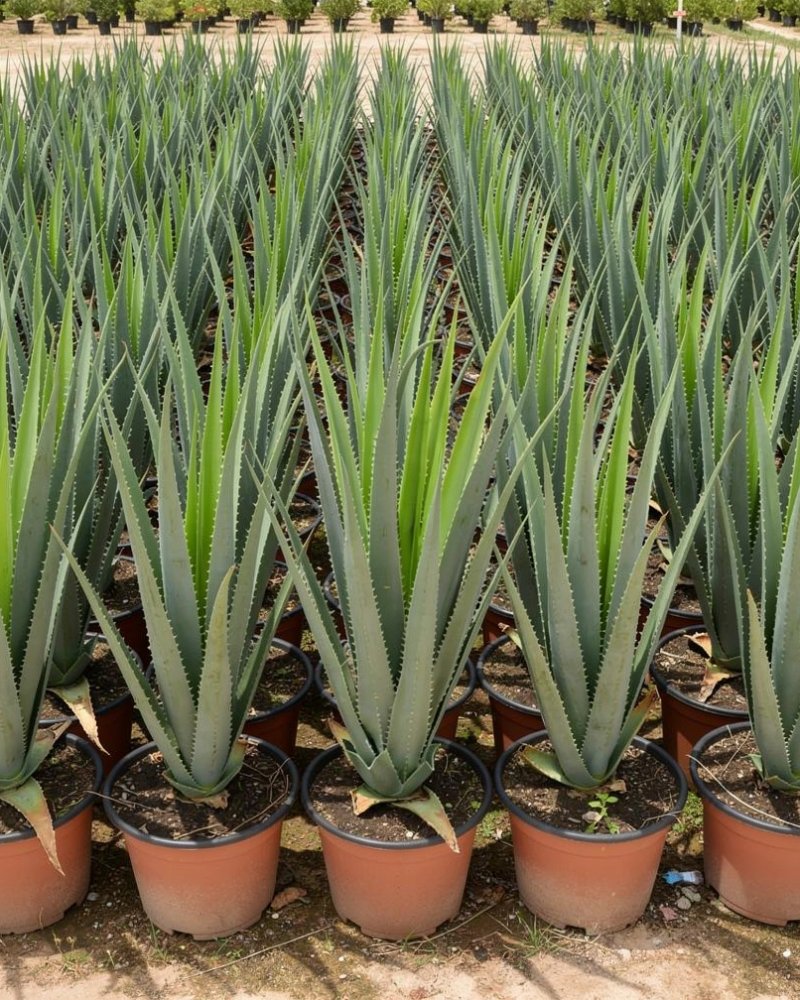
For wholesale buyers, Aloe vera is typically supplied in 2-litre to 5-litre containers, with larger specimen stock available in 10-litre and 15-litre pots. Plants are robust for transport, requiring upright positioning and minimal padding. Contact our team to discuss pallet quantities, lead times, and buy wholesale Aloe vera Spain pricing.
For wholesale buyers, Aloe vera is typically supplied in 2-litre to 5-litre containers, with larger specimen stock available in 10-litre and 15-litre pots. Plants are robust for transport, requiring upright positioning and minimal padding. Contact our team to discuss pallet quantities, lead times, and buy wholesale Aloe vera Spain pricing.
CARE
Aloe vera requires minimal pruning; remove dead or damaged outer leaves at the base using a clean blade. Fertilise sparingly with a low-nitrogen, high-potassium fertiliser once in spring and once in early summer. Over-fertilisation promotes weak, soft growth that reduces plant quality and commercial appeal.
Pest and disease pressure is generally low. Root rot caused by Phytophthora can occur in poorly drained conditions. Watch for mealybugs in dense plantings. No significant winter protection is needed in zones 9 and above. Long-term maintenance involves dividing overcrowded clumps every three to four years to maintain vigour and presentation quality.
Pest and disease pressure is generally low. Root rot caused by Phytophthora can occur in poorly drained conditions. Watch for mealybugs in dense plantings. No significant winter protection is needed in zones 9 and above. Long-term maintenance involves dividing overcrowded clumps every three to four years to maintain vigour and presentation quality.